Navigation

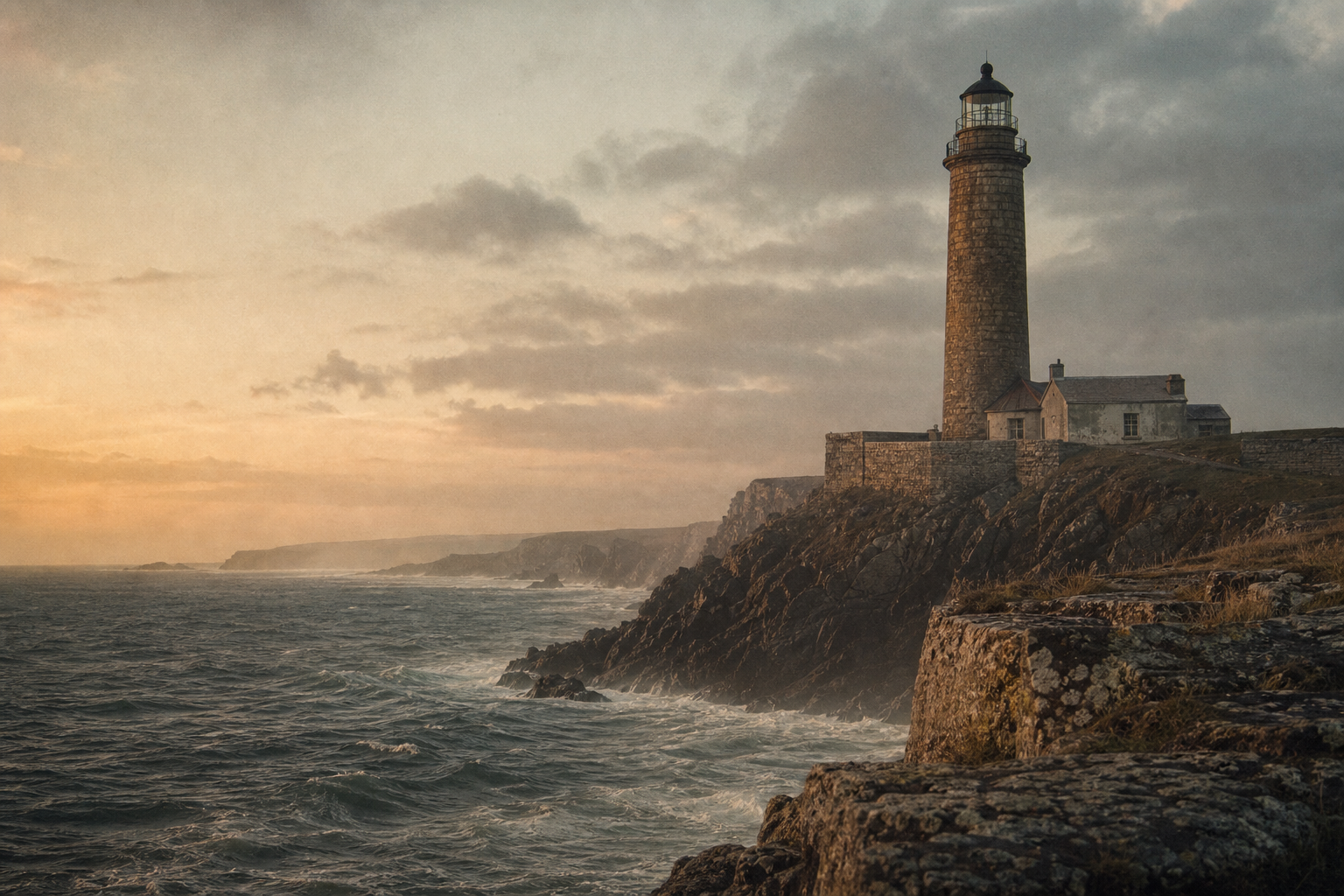
Historic stone lighthouse on a rugged northern coastline at dusk, with sea mist, weathered cliffs, and warm film-like tones

Northern Coast Lighthouses Archive

Northern coast lighthouse history, preserved in image, memory, and place.

A curated editorial archive of beacons, keepers, and weathered towers that still mark the shoreline of maritime heritage.

  • Preserved towers
  • Keeper stories
  • Archival photographs

Historical introduction

Along the northern coast, lighthouses became a living corridor where navigation, danger, and endurance shaped maritime life.

Their beams marked more than safe passage—they recorded storms, trade, labor, and the communities that kept watch through uncertain seas.

Northern Coast Chronicle

A long arc of lighthouse history along the northern coast

From early beacon towers to present-day preservation, these milestones trace how navigation, keeper life, and coastal memory evolved across two centuries.

  1. 1798 · First lit points

    Lantern towers mark hazardous inlets

    Local ports commission simple stone towers at reef entrances, establishing the first coordinated night navigation routes for fishing and cargo vessels.

  2. 1836 · Optical reform

    Fresnel lenses extend coastal visibility

    New lens installations concentrate light farther offshore, reducing grounding incidents and standardizing beacon signatures from cape to harbor.

  3. 1872 · Keeper households

    Family life becomes part of station duty

    Residences, schoolrooms, and supply gardens appear beside towers, revealing how lighthouse work depended on domestic routines as much as machinery.

  4. 1915 · Signal modernization

    Fog horns and radio aids join the beacons

    Mechanical sirens and early radio systems complement light patterns, helping crews navigate dense weather where visual range alone was unreliable.

  5. 1989–Today · Preservation era

    Historic towers become public heritage landmarks

    Community trusts, historians, and volunteers stabilize surviving sites, opening archives and mapped routes that reconnect present-day visitors with working coastal history.